HELIOCORE

Solar Panel Manufacturer for Home, Commercial and Utility Projects

N-type TOPCon monocrystalline modules from 430 to 620 W, built on our own lines in Suzhou and tested to IEC 61215 and IEC 61730 before every shipment.

0%module efficiency, top bin
0 Whighest power class
0 yrlinear power warranty
0+export markets served

Monocrystalline Solar Panels We Build

Four module families, one cell platform. Every panel leaves the line EL-inspected twice and flash-tested against its label.

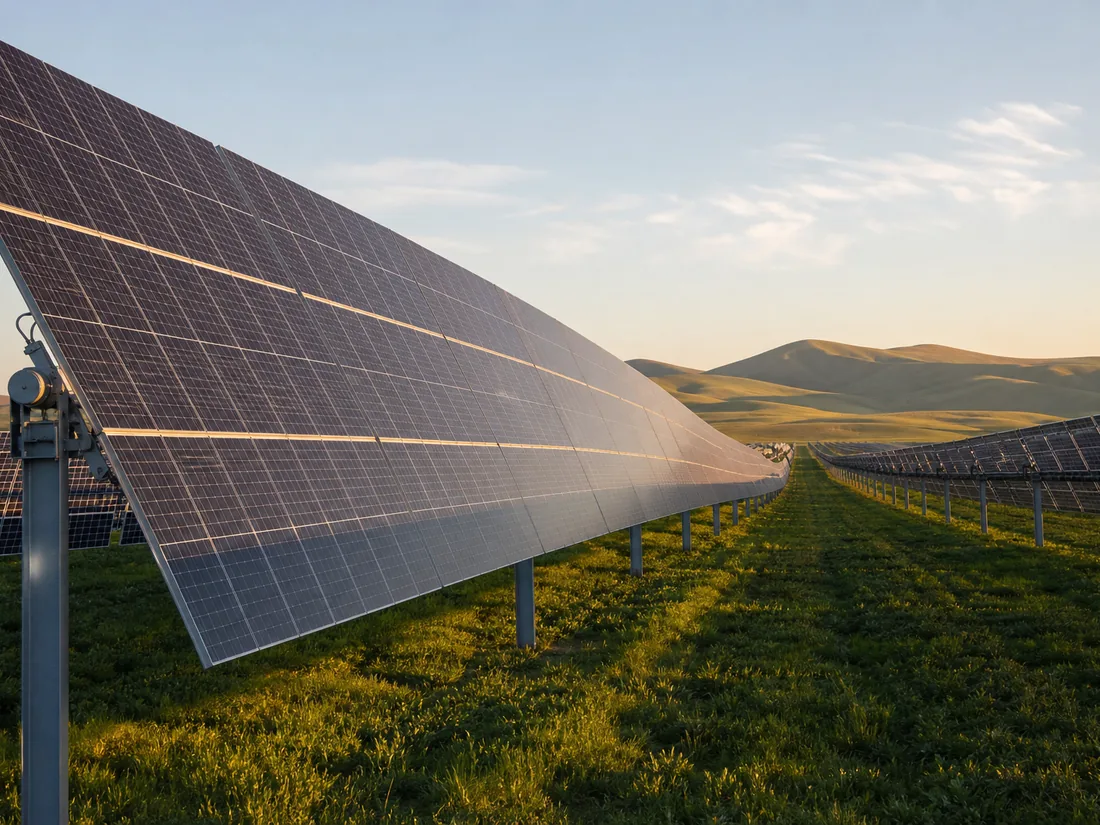
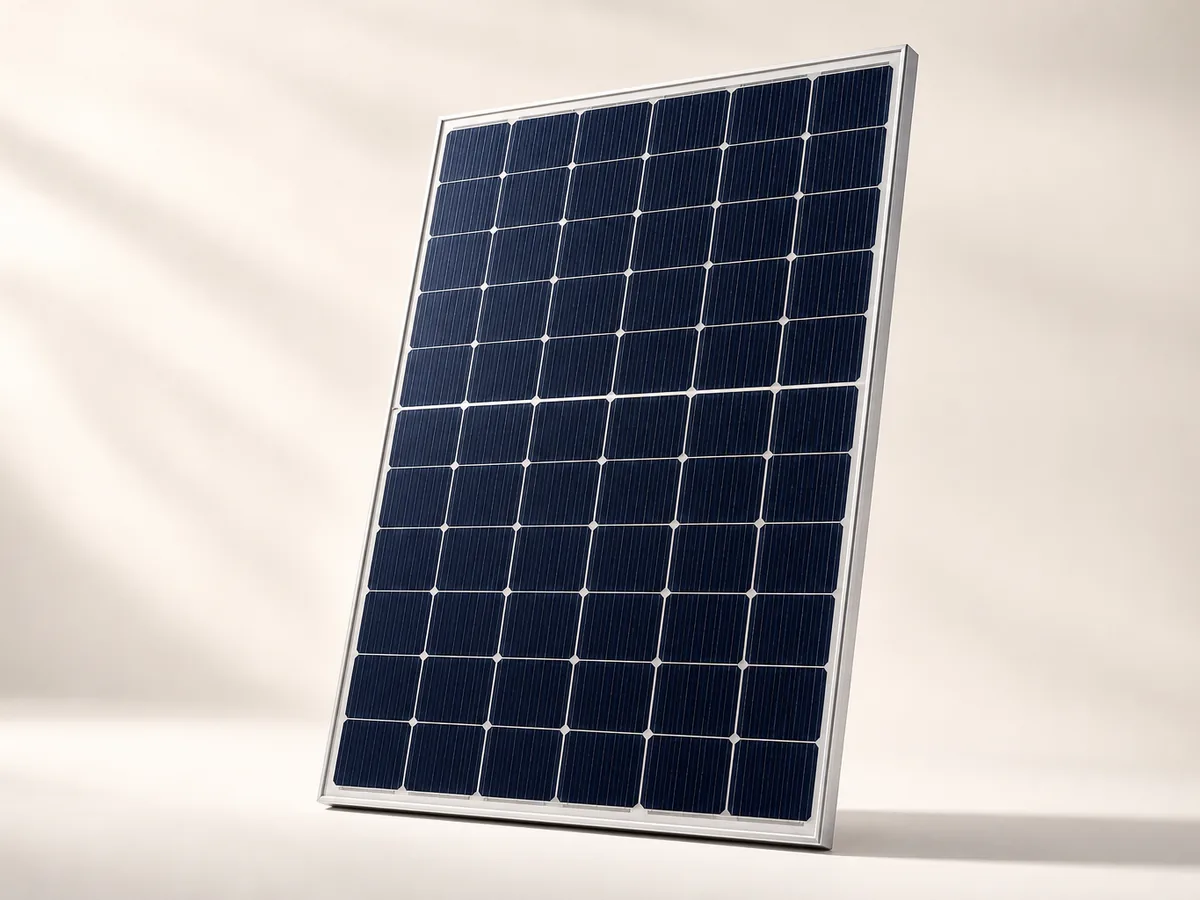
Bifacial dual-glass TOPCon solar panel with silver frame

TOPCon Bifacial Dual-Glass Module

Our workhorse for ground mounts and carports. Dual 2.0 mm heat-strengthened glass, 80% bifaciality and up to 620 W front-side power that keeps earning from the rear face on bright surfaces.

  • 580-620 Wpower range
  • 22.8%max efficiency
  • 80% ±5bifaciality factor
Request datasheet
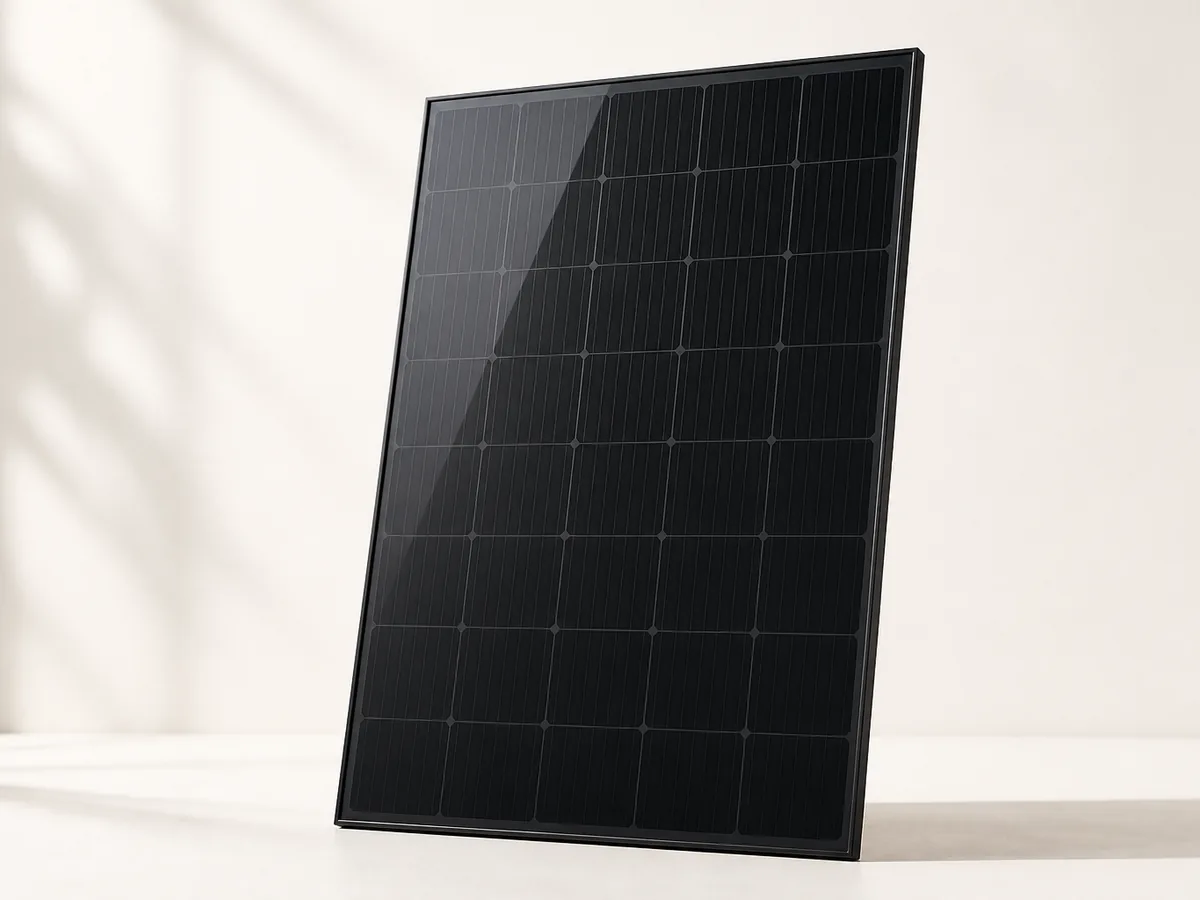
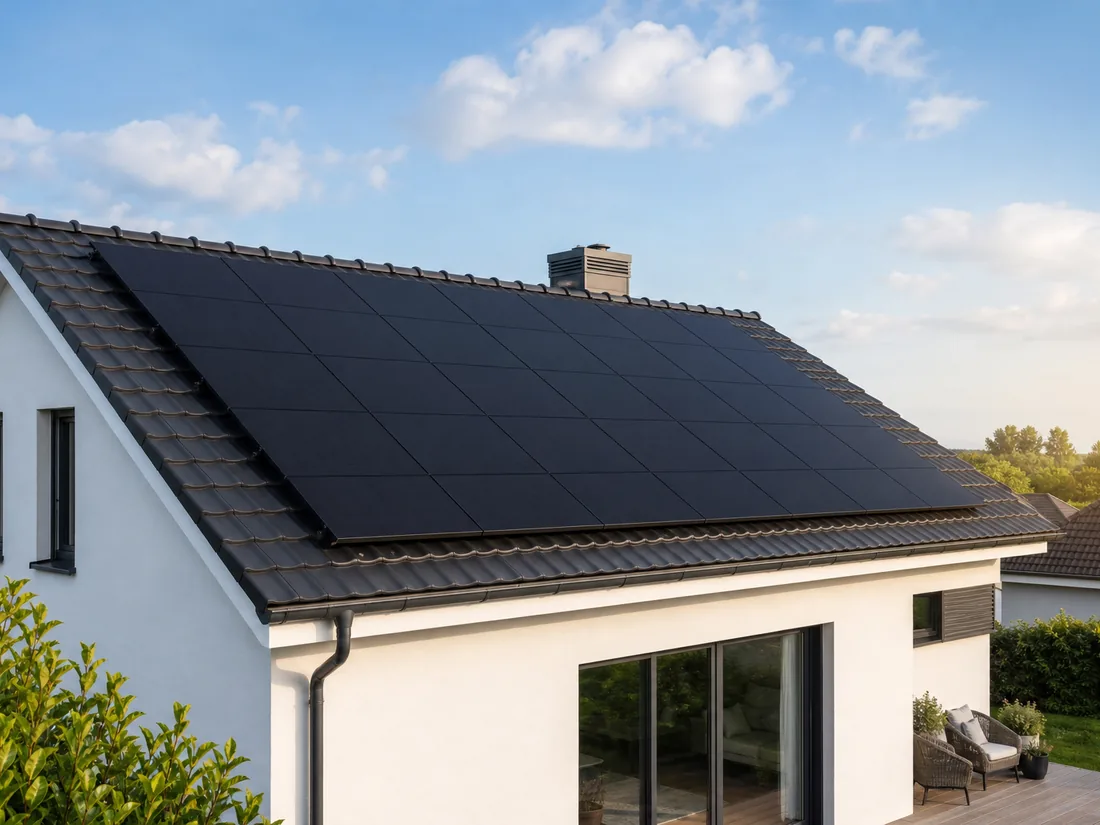
All-black monocrystalline solar panel for residential rooftops

All-Black Residential Module

Black cells, black backsheet, black frame. 430 to 450 W for rooftops where the homeowner sees the array every day.

Request datasheet
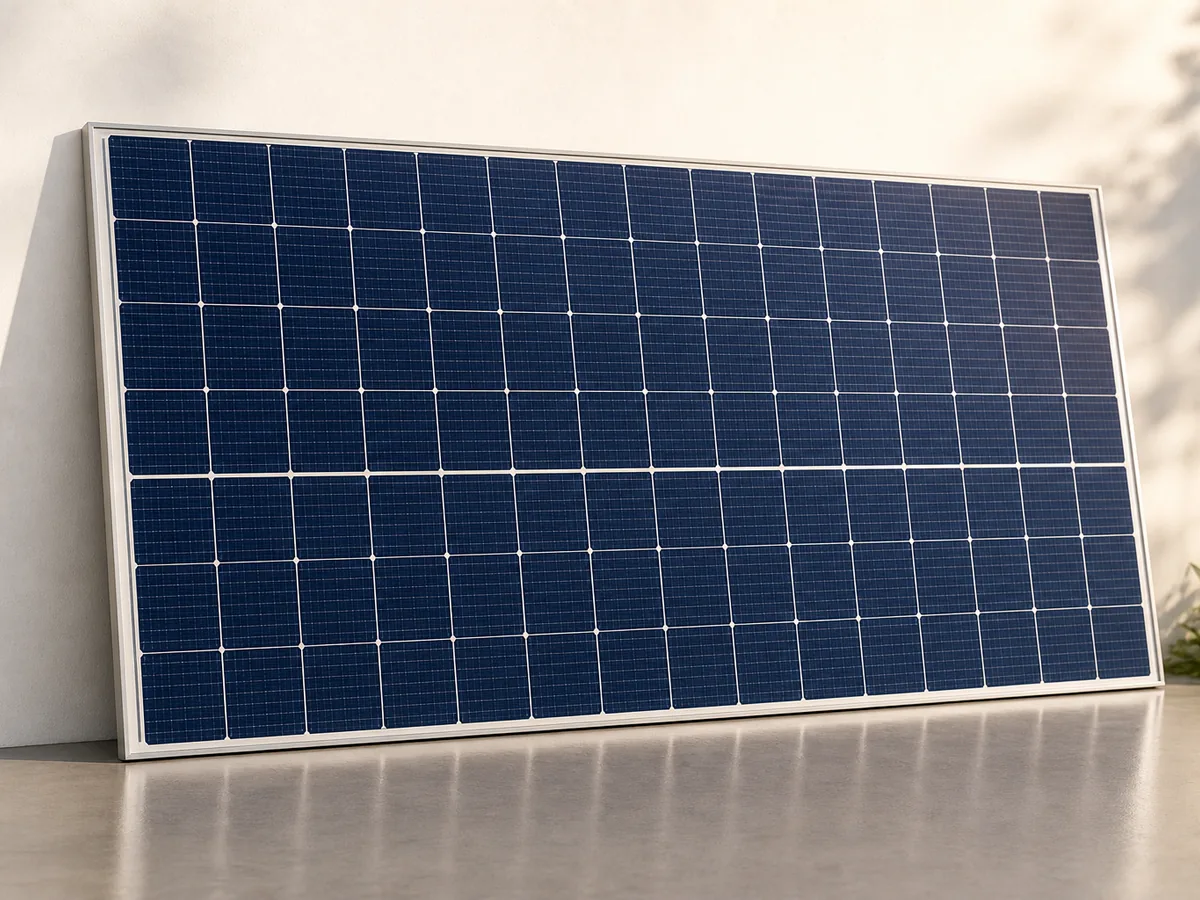
High power 620W utility scale solar panel

High-Power Utility Module

Large-format 132 half-cut cells for utility scale EPCs. Fewer strings, fewer trackers, lower balance-of-system cost per MW.

Request datasheet
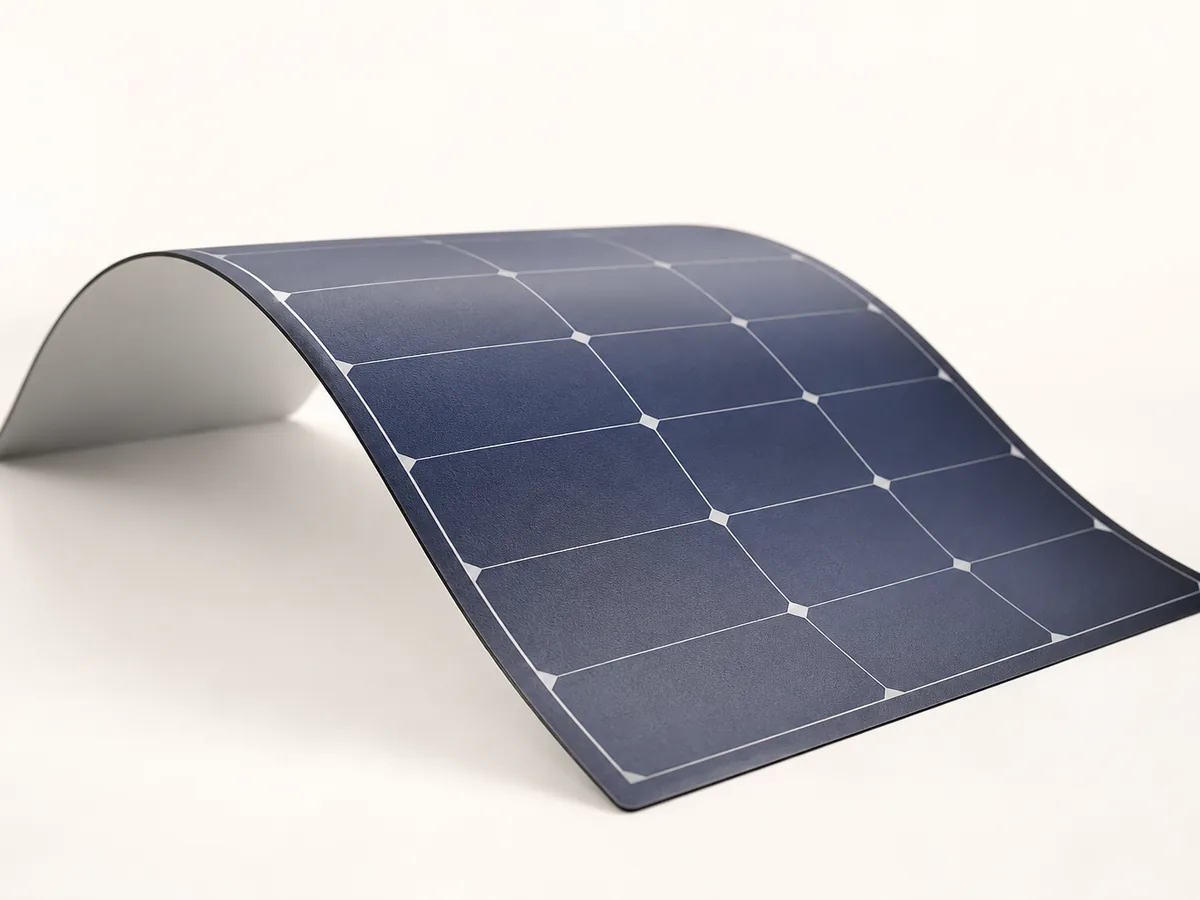
Lightweight flexible solar panel for metal roofs and vehicles

Lightweight Flexible Module

Glass-free laminate under 3 kg/m² that bonds to standing-seam metal roofs, vehicles and boats where racking is not an option.

Request datasheet
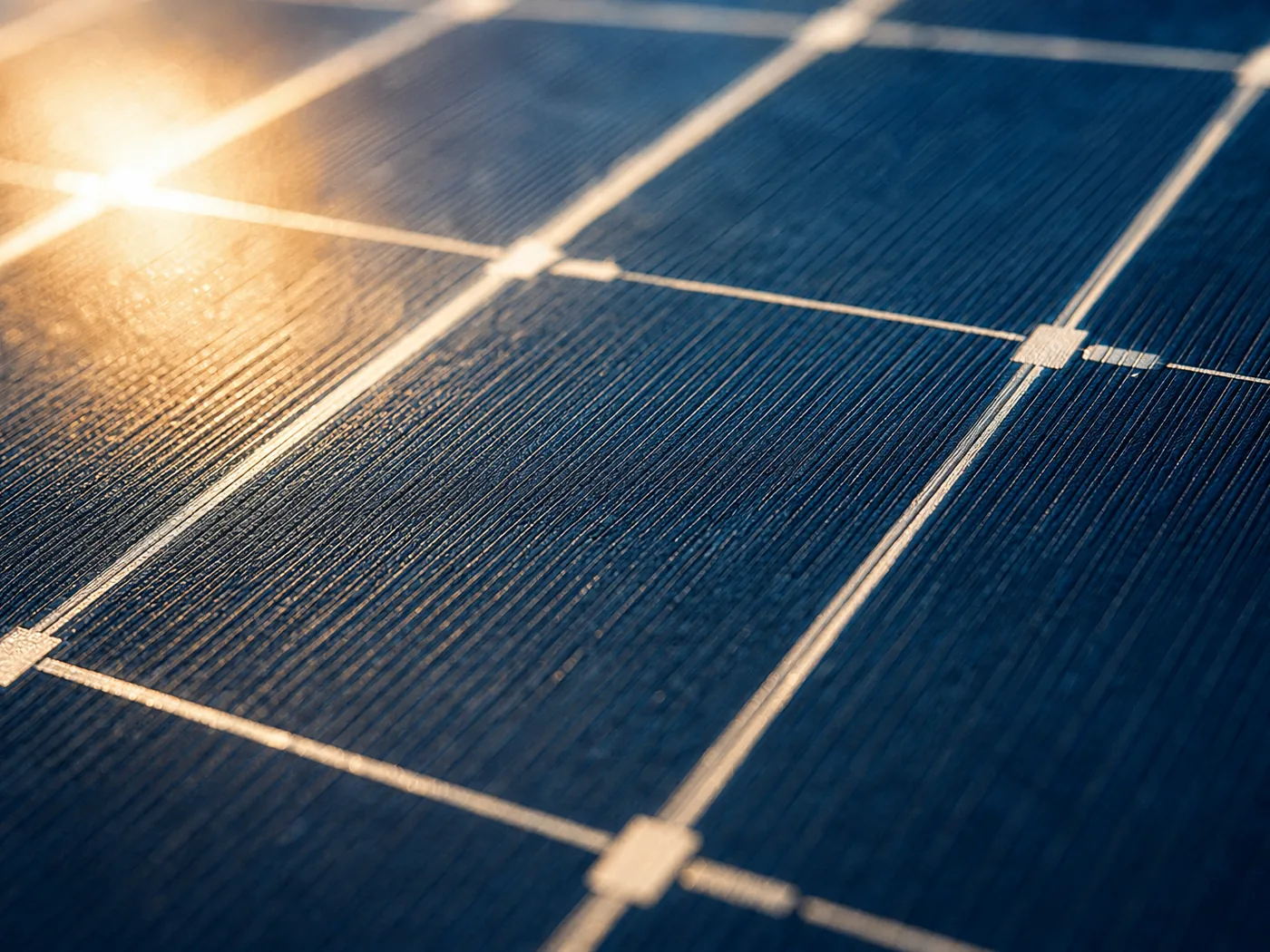
N-type TOPCon solar cell surface with busbar grid in warm sunlight

N-Type TOPCon Cells, Measured Not Marketed

Every power figure we publish comes off our own flash tester, calibrated against reference cells each shift. N-type wafers hold more of their rated output in real heat and real shade than the p-type panels they replace.

Module efficiency
up to 23.0%
Temperature coefficient
-0.29% per °C
First-year degradation
1% max, then 0.4% per year
PID resistance
tested at 85°C / 85% RH
Talk to an Engineer

Inside Our Solar Panel Factory

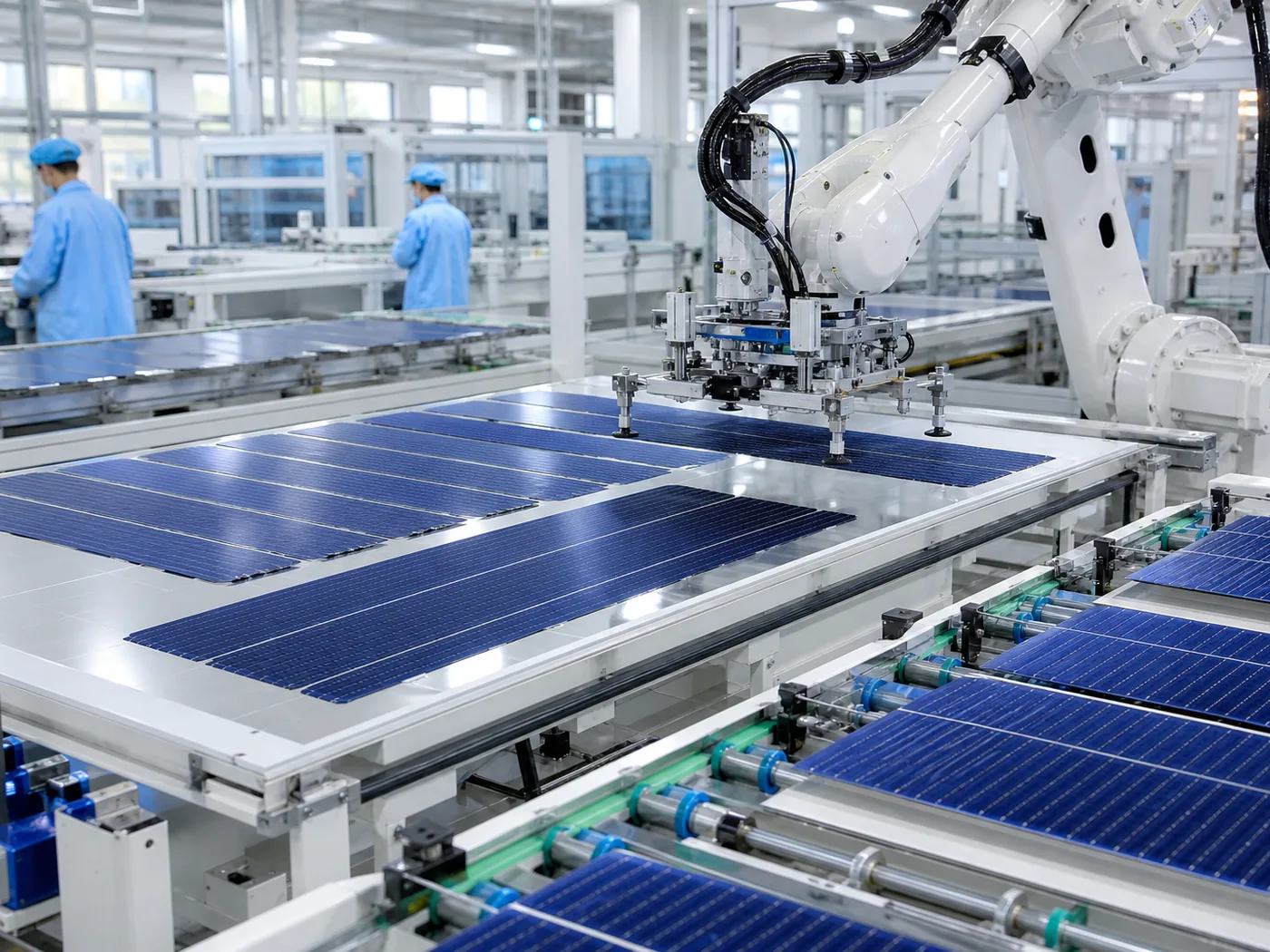
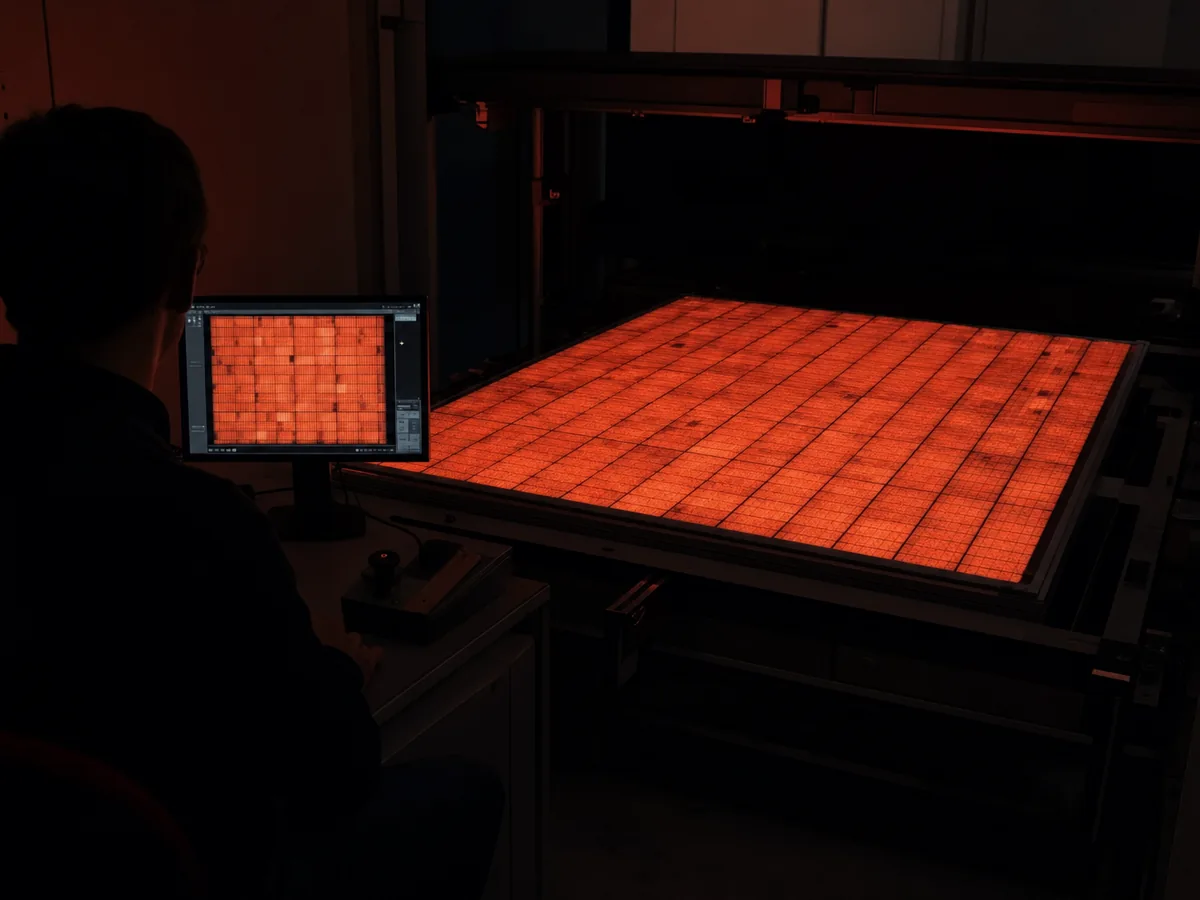
HELIOCORE runs automated stringing, lamination and framing lines in Suzhou, with double EL inspection at layup and after lamination. Cells come from long-term wafer partners; every incoming batch is sample-flashed before it touches a module.

  • GW-scaleannual line capacity
  • EL inspection per module
  • 100%flash test before packing
  • 30-45 dtypical order lead time
Book a Factory Tour
Automated solar panel production line with robotic cell layup
EL electroluminescence inspection of a solar module in a dark test room

A Warranty Written for 30 Years

Degradation limits are printed on the datasheet and backed by the factory, not by a reseller.

30 yrlinear power warranty, 87.4% output guaranteed at year 30
12 yrproduct warranty on materials and workmanship
0.4%maximum annual degradation after year one

Recent Projects and Shipments

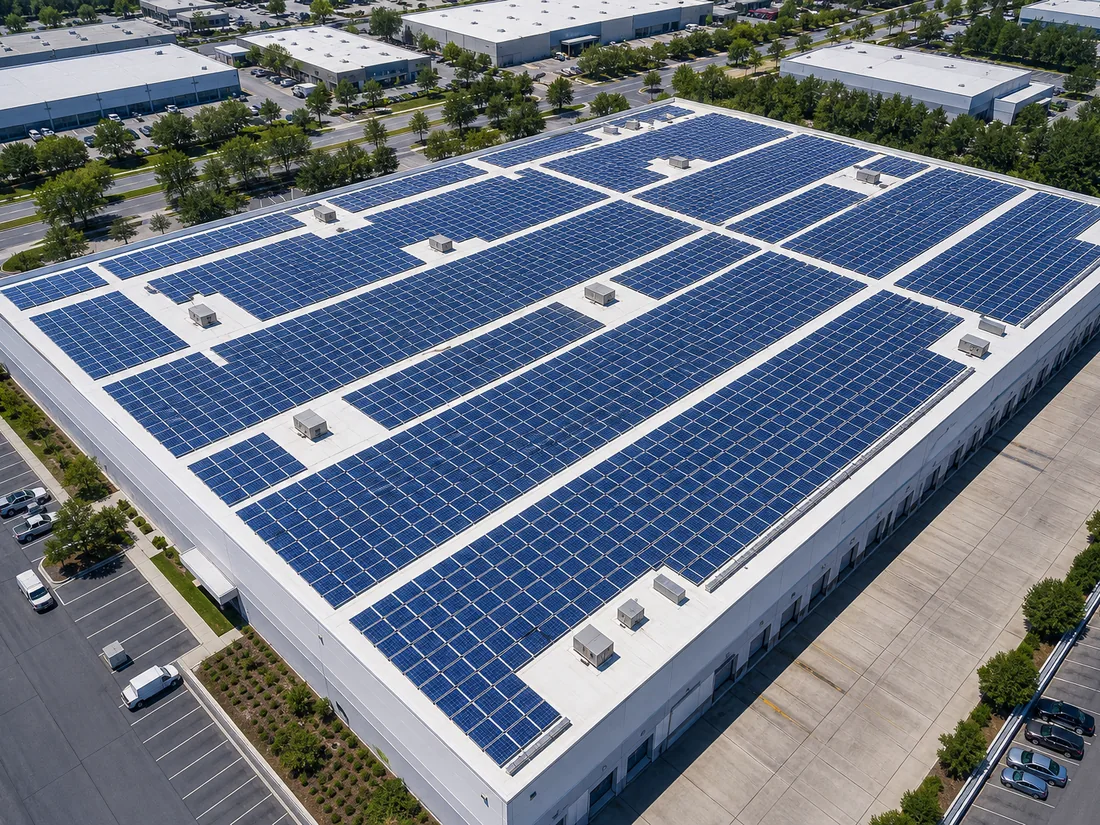
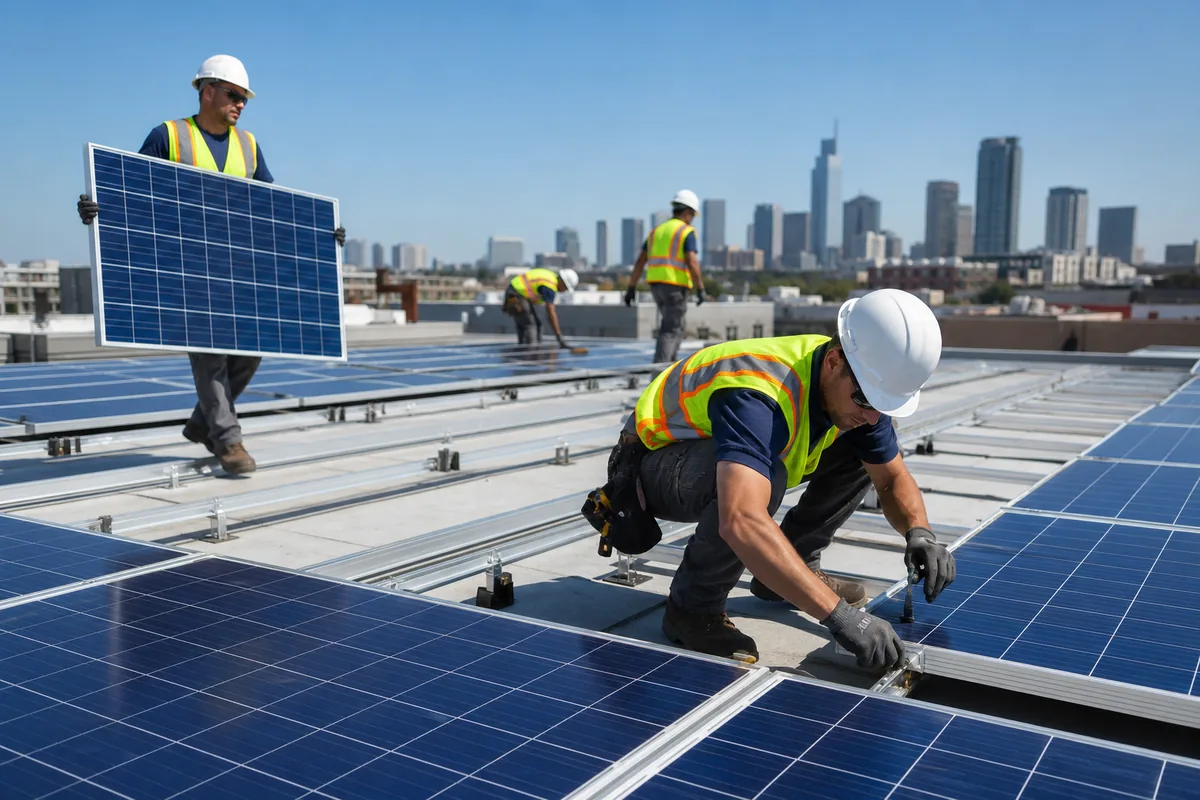
Installers mounting solar panels on a commercial flat roof

1.2 MW Warehouse Rooftop, Poland

2,050 bifacial 585 W modules delivered in three batches to match the installer's crane schedule.

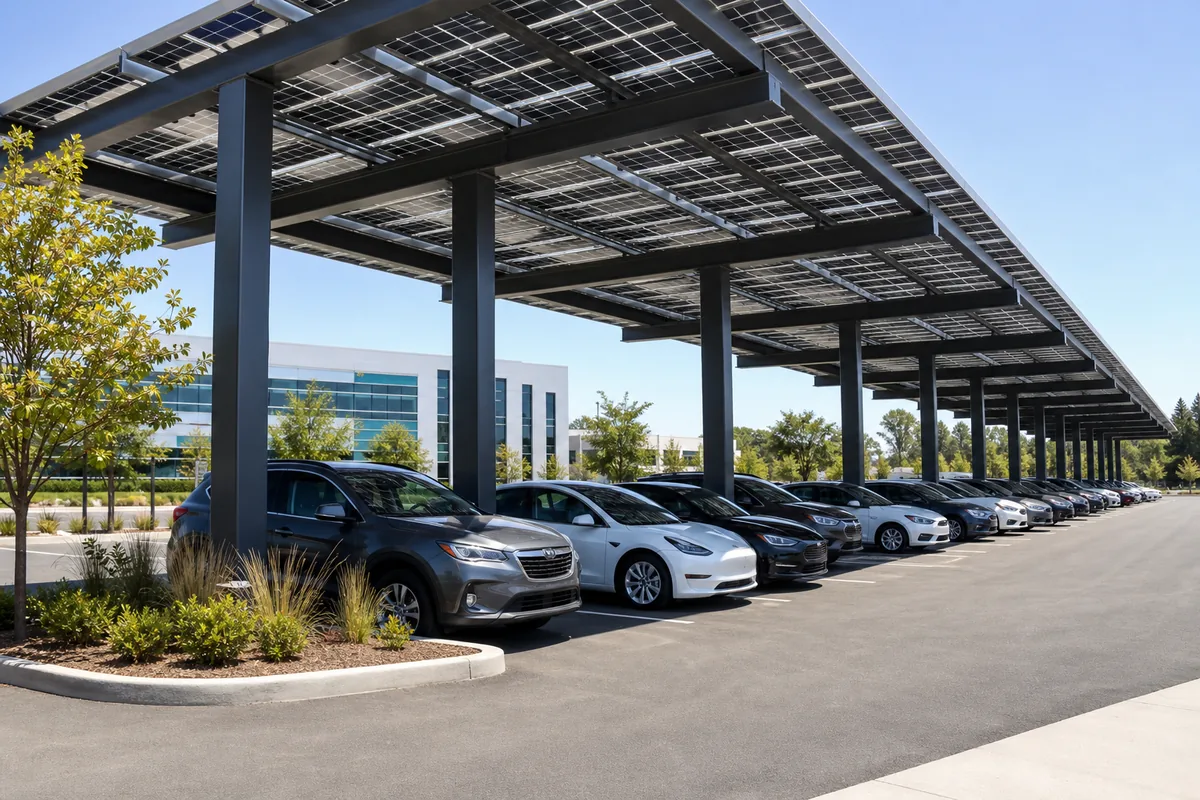
Solar carport canopy over a company parking lot

Office Carport, United Arab Emirates

Dual-glass modules on a steel canopy, chosen for rear-side yield over white gravel and 85°C summers.

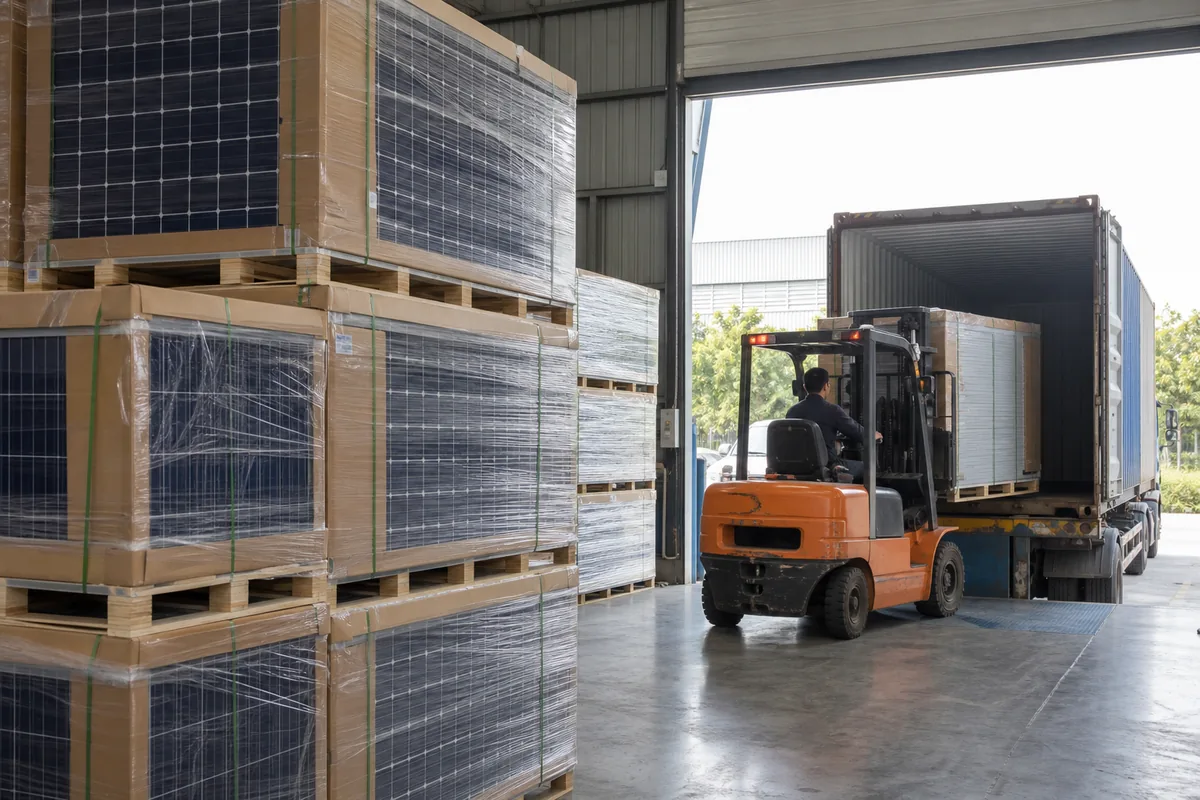
Packed solar panel pallets loaded into an export container

Distributor Program, Chile

Monthly container schedule of 430 W all-black modules, palletized 36 per stack with corner protection.

Frequently Asked Questions

How long do solar panels last?

Our modules carry a 30-year linear power warranty: no more than 1% degradation in year one and 0.4% per year after, leaving at least 87.4% of rated output at year 30. Panels normally keep producing beyond the warranty; the figure is the guaranteed floor, not the expected end of life.

How many solar panels does it take to power a house?

A typical home drawing 900 kWh per month needs roughly 14 to 18 of our 430 W all-black modules, depending on local sun hours and roof orientation. Send us a recent electricity bill and the roof dimensions and we will return a layout with expected monthly yield.

What is the difference between monocrystalline and bifacial panels?

Both use the same monocrystalline TOPCon cells. A bifacial module simply replaces the opaque backsheet with glass so the rear face also generates from reflected light, adding roughly 5 to 15% yield over gravel, sand, snow or white membrane roofs. On dark shingle roofs the gain is small, which is why we still build single-face modules.

How should solar panels be cleaned and maintained?

Rain handles most soiling on tilted arrays. Where dust or pollen builds up, rinse with soft water and a non-abrasive brush at dawn or dusk, never with high-pressure jets against the frame seal. Our dual-glass modules tolerate cleaning robots used on utility sites.

Do you take OEM orders and what is the minimum quantity?

Yes. We build under your brand with your label, carton and pallet layout from one container upward, around 620 to 936 modules depending on power class. Standard orders ship in 30 to 45 days from deposit; OEM artwork adds about a week for approval samples.

Request a Module Quote

Tell us the project size, mounting type and destination port. A sales engineer replies within 24 hours with module recommendation, pricing and lead time.